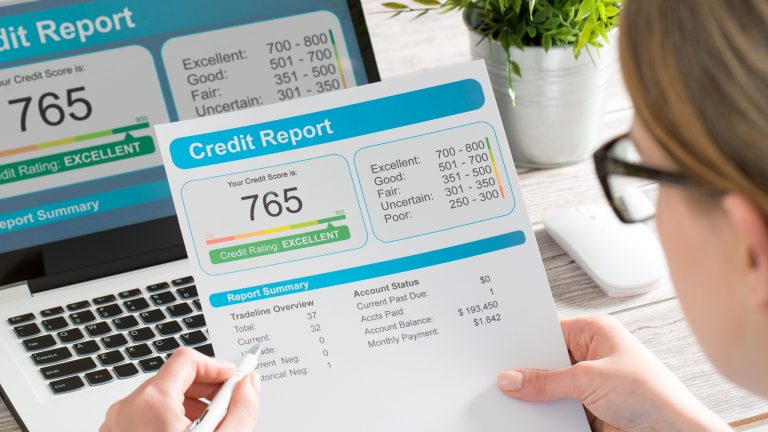


Failing to check your credit score can negatively impact your chances of getting approved for a small business loan. Both personal and business credit play a significant role in a lender’s decision. If your scores are low, you may face higher interest rates or outright rejection. Reviewing your credit reports ahead of time gives you a chance to correct errors, pay down debt, and improve your standing before applying.
Submitting inaccurate financial information can lead to loan application rejection. Lenders want a clear and honest picture of your business’s financial health, including profits, expenses, and cash flow. Even small mistakes in reporting income or expenses can create red flags. Double-check numbers before submitting to ensure accuracy and consistency across all documents.
Failing to prepare proper financial documents can result in delays or outright rejection of a loan application. Lenders typically require tax returns, profit-and-loss statements, bank records, and cash flow statements. Organizing these documents in advance not only speeds up the process but also helps you better understand your own financial position.
Having a clear business plan is essential for lenders to understand your intended use of the loan and repayment strategy. A solid business plan demonstrates how the funds will be invested, how profits will be generated, and how you plan to repay the debt. Without one, lenders may assume your business lacks direction or the ability to manage financing responsibly.
Applying for too many loans at once can trigger multiple hard inquiries on your credit report, negatively impacting your score. Beyond credit damage, applying everywhere at once can also signal desperation to lenders, making them more hesitant to approve your application. It’s better to research your options and apply strategically with lenders who are a good fit.
Misrepresenting business or financial information can have severe consequences on a loan application. Even if it seems minor, exaggerating revenue, inflating cash flow, or hiding debts can be considered fraud. This can not only result in rejection but also legal trouble and long-term harm to your credit and reputation. Transparency is always the best approach.
Not knowing the right type of loan for your business needs can lead to rejection or unfavorable terms. For example, using a short-term working capital loan to fund a long-term expansion may strain cash flow. Each loan type—whether SBA, equipment financing, or a line of credit—has its own purpose, terms, and repayment structures. Choosing the wrong one can cost you more than you expect.
Ignoring your debt-to-income ratio can signal risk to lenders and lead to the denial of your loan application. Lenders want to see that your business generates enough income to handle new debt payments comfortably. If your debt load is already too high compared to your profits, you may need to reduce liabilities before applying for more financing.
Overlooking loan terms and hidden fees can lead to unexpected costs and unmanageable debt. Many business owners focus only on interest rates but fail to account for origination fees, prepayment penalties, or compounding interest structures. Increased costs could lead to being unable to repay the loan. Always double-check the loan agreement and ask questions until you fully understand all costs.
Taking too little time to prepare and look for funding options can limit the chances of receiving favorable loan terms. When business owners rush, they may overlook red flags, accept higher fees, or choose a lender that isn’t reputable. Slowing down the process ensures you’re comparing financing options, understanding terms, and making decisions that protect your business long term.
Business loan scams are increasing due to the growing reliance on online financing and the urgency many small businesses feel when needing funds. Scammers prey on business owners who are under financial stress, offering quick approvals, guaranteed funding, or too-good-to-be-true interest rates. With more lenders operating online, it’s easier for fraudsters to create fake companies or impersonate legitimate ones, making vigilance more critical than ever.
Scammers use several tactics to trick business owners into paying money or sharing sensitive information. Knowing the most common scams can help you recognize red flags before it’s too late.
A regulated and legitimate lender will never ask you to pay money up front. If you’re asked for cash before approval, it’s a red flag. These scams often claim the fee is for “insurance,” “processing,” or “expedited approval.” Once the money is paid, the scammer disappears, leaving the business owner without funding.
If a lender guarantees you will be approved, they are likely scamming you. Legitimate lenders always assess your credit and financial health before making a decision. Scammers use promises of “guaranteed funding” to prey on business owners with poor credit or urgent funding needs, luring them into costly traps.
Be wary of lenders without contact information, as this is a huge red flag. Many fraudulent sites copy legitimate banks’ branding or create professional-looking websites to appear credible. Always verify the company’s licensing, physical address, and Better Business Bureau profile before sharing sensitive information.
Scammers may create a new email address that only changes one letter from a legitimate lender’s email address. These look-alike domains trick business owners into clicking malicious links or sending bank account details. Always double-check the sender’s email address and never share confidential information over email without verifying the source.
Even after securing financing, scammers may attempt to exploit you by posing as debt relief providers or collectors. These scams target vulnerable business owners who are focused on repayment.
These scams promise to negotiate lower payments or eliminate debt, but instead steal your money or personal information. They often charge hefty upfront fees and then disappear, leaving your loan balance untouched and your finances in worse shape.
Fraudsters claim they can adjust your loan term or interest rate for a fee, but never follow through. Some even impersonate your actual lender, creating fake paperwork to appear legitimate. Legitimate modifications are always handled directly with your lender, not through third parties.
Scammers pose as debt collectors, demanding payments you don’t actually owe. They may use aggressive tactics such as threats of legal action or damage to your credit. If you receive a suspicious collection notice, always verify with your lender before making any payments.
Spotting scams requires awareness and caution. If an offer sounds too good to be true, it probably is. Swindlers may falsely claim they can raise your credit score by a significant amount overnight.
Being aggressive or pressuring you into accepting a rate is a red flag for potential scams. Legitimate lenders provide clear documentation, transparent fees, and time to review your loan terms.
If you suspect you’ve been scammed, acting quickly can help minimize the damage and improve your chances of recovering funds.
Here are the most common additional FAQs about business loan mistakes and scams.
Protection starts with preparation and research. Always verify a lender’s credentials, check for proper licensing, and read online reviews. Compare multiple financing options to ensure you’re choosing the right loan type for your business’s needs.
Never rush into a loan agreement without fully understanding the terms, fees, and repayment process. Strong internal financial practices, such as keeping accurate records and monitoring your cash flow, also minimize risk.
✅ Pro Tip: A legitimate lender will encourage you to take your time and review terms — scammers want you to sign fast.
Following best practices helps small businesses secure funding safely:
In addition to avoiding scams and mistakes, small businesses should focus on building strong financial foundations. This includes maintaining positive cash flow, keeping debt manageable, and using financing only when it adds measurable value to the business. Planning ahead instead of waiting for emergencies ensures you qualify for more favorable loan terms.
Another important tip is to establish relationships with banks and reputable financing companies before you urgently need funds. Having access to trusted resources and lenders gives your business an advantage when unexpected costs arise.

Small business loans can be powerful tools when used correctly, but common mistakes, high-risk decisions, and scams can put your business at serious financial risk. By recognizing red flags, preparing the proper documents, and taking time to research your financing options, you’ll improve your chances of approval while protecting your business.
Ultimately, the loan process doesn’t need to be overwhelming or dangerous. With the right knowledge and business loan tips, small businesses can secure funding, repay it responsibly, and use financing as a stepping stone toward long-term growth and development.
Our alternative business financing experts, backed by several good reviews, can help you find the best funding options for your business. Contact us to learn more about safely applying for a small business loan.